Follow Me On Social Media!
Gochujang rice bowls: A 30-Min Spicy Masterpiece

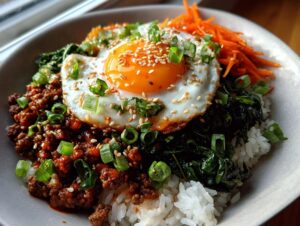
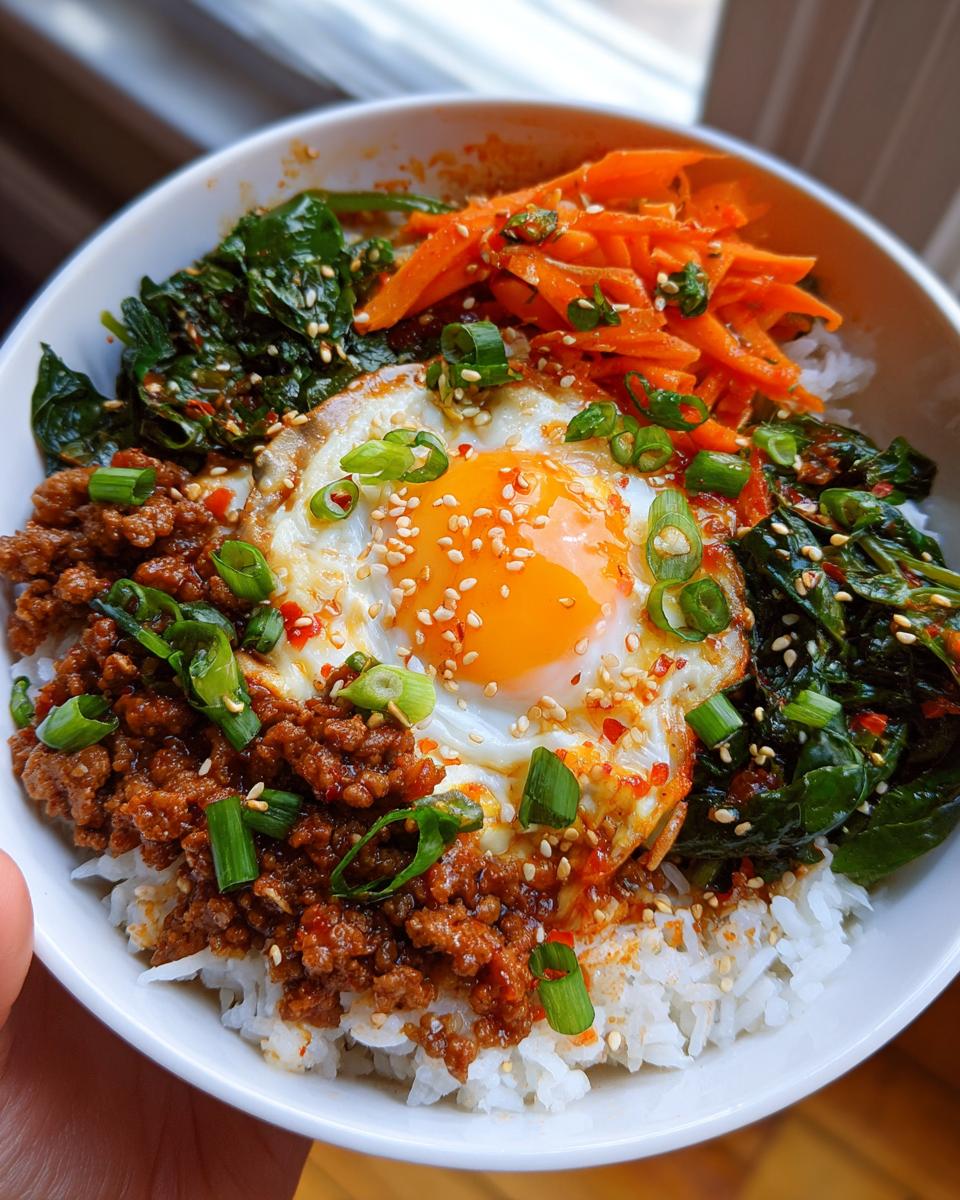
Get your tastebuds ready because these Gochujang rice bowls are about to become your new favorite dinner. This Korean-inspired dish turns basic ground beef into a spicy, savory masterpiece that wakes up the whole palate. I first whipped this up on a chaotic Tuesday when I stared at my fridge with zero energy and a pound of beef. I needed something bold to shake off the day.
The magic happens in under 30 minutes. You get a perfect mix of textures here—crispy fresh carrots, tender spinach, and that rich, spicy sauce. It’s a complete, balanced meal with the right mix of protein and veggies that leaves you feeling great. Trust me, once you try that runny yolk mixed with the spicy beef, there’s no going back.
Why You’ll Love These Gochujang Rice Bowls
I honestly can’t count how many times this recipe has saved me from ordering takeout. It’s just one of those meals that checks every single box when I’m hungry and impatient. You’ll find yourself craving that spicy-sweet combo constantly once you’ve tried it.
- It’s lightning fast: You can have the whole dinner on the table in just 30 minutes. It’s perfect for those nights when you want real homemade food but have zero energy to cook a feast.
- The flavor is huge: The gochujang paste does all the heavy lifting here. It turns plain ground beef into this sticky, savory, spicy goodness that tastes like it simmered for hours.
- Totally flexible: This is my favorite “fridge clean-out” meal. You can swap the beef for chicken or tofu, or toss in whatever wilting veggies are hiding in your crisper drawer.
- A complete meal: You get your protein, fresh crunchy veggies, and comforting carbs all in one bowl. It feels indulgent but leaves you feeling satisfied and energized.
Ingredients for Gochujang Rice Bowls
You don’t need a mile-long shopping list to create these bold flavors, which is exactly why I love this recipe for busy weeknights. Most of these items are probably sitting in your pantry right now waiting to be used. The real secret here is getting fresh veggies for that crunch and quality beef that won’t drown the bowl in grease.
Here is everything you need to gather to build two perfect bowls:
- 2 cups cooked short-grain white rice: This gives you that essential sticky texture that holds onto the sauce beautifully.
- 0.5 lb lean ground beef (90/10 preferred): I stick to lean beef so the sauce stays rich and flavorful, not oily.
- 1 cup fresh spinach leaves (packed): It wilts down fast in the pan, so don’t be shy with it.
- 1 medium carrot, julienned: You want these cut into thin matchsticks for a nice crisp bite.
- 2 large eggs: The runny yolk is non-negotiable in my house!
- 2 tbsp gochujang (Korean chili paste): This is the absolute star of the show for that signature spicy kick.
- 1 tbsp soy sauce: Adds that savory, salty depth we need.
- 2 tsp sesame oil (plus extra for drizzling): Nothing beats that toasted, nutty aroma.
- 1 tsp brown sugar (packed): Just a little bit helps balance out the heat.
- 1 clove garlic, minced: Fresh is always best here for the sauce.
- 1 tsp vegetable oil: For sautéing the veggies quickly without burning them.
- 1 tsp toasted sesame seeds: The perfect finishing touch for texture.
- 1 green onion (thinly sliced): Adds a fresh pop of color and bite right at the end.
Ingredient Notes for the Best Gochujang Rice Bowls
If you’ve never met gochujang before, get ready to fall in love. It’s a thick, fermented chili paste that packs a punch of heat, sweetness, and umami all at once. You can usually find it in those signature red tubs in the Asian aisle of most grocery stores. Don’t worry about buying a whole tub—it keeps forever in the fridge, and I guarantee you’ll want to put it on everything.
I really recommend sticking to lean ground beef (at least 90/10) for this recipe. Since we’re eating this out of a bowl, you don’t want a pool of grease at the bottom ruining your fluffy rice. Speaking of rice, stick to short-grain varieties if you can! That sticky, chewy texture is exactly what makes this dish feel authentic and comforting. If you’re watching your salt intake, definitely grab the low-sodium soy sauce since the chili paste is naturally salty enough on its own.
How to Make Gochujang Rice Bowls
Putting these bowls together is a sprint, not a marathon. I always tell friends to have their veggies chopped and rice ready before turning on the stove because once you start cooking, things move fast. It’s actually really fun—kind of like running a quick service station in your own kitchen.
You don’t need fancy equipment here, just a good skillet and a little bit of focus. The whole process flows naturally from sauce to beef to veggies, so you aren’t left with a mountain of pots to scrub later.
Preparing the Sauce
Let’s start with the flavor bomb. Grab a small bowl and combine the gochujang, soy sauce, sugar, minced garlic, and just one teaspoon of the sesame oil. You’ll want to whisk this briskly until it’s completely smooth and glossy.
Make sure that brown sugar is fully dissolved and the thick chili paste isn’t clumpy. This sauce is going to do double duty—flavoring the beef and acting as a final drizzle—so getting the consistency right is key.
Cooking the Beef and Vegetables
Get your skillet nice and hot over medium-high heat. Toss in the ground beef and break it up with a wooden spoon as it cooks. Once it’s browned and fully cooked through, drain off the excess fat—nobody likes a greasy rice bowl.
Here’s the trick: stir exactly half of your sauce mixture right into the beef. The smell when that spicy paste hits the hot meat is absolutely incredible! Remove the beef from the pan and set it aside for a moment.
Add the vegetable oil to that same hot skillet. Toss in your julienned carrots and fresh spinach. You only need to sauté them for about 2 minutes. You want the spinach wilted but the carrots should still have a nice snap to them. Push them aside or remove them, then crack your eggs into the pan. I fry mine until the whites are set and crispy at the edges, but I always leave the yolks runny.
Assembling the Gochujang Rice Bowls
Now for the fun part—building your masterpiece. Scoop your warm, sticky rice into two bowls to create a sturdy base. Arrange the spicy beef, carrots, and spinach in neat sections over the rice. It looks beautiful when you can see all the different colors.
Carefully slide a fried egg right on top of each bowl. Drizzle everything with the remaining sauce and the rest of the sesame oil for that extra nutty aroma. Finish it off by scattering sesame seeds and sliced green onions over the top. It looks just like takeout, but tastes so much fresher!
Tips for Making Delicious Gochujang Rice Bowls
I learned the hard way that you absolutely need to have your veggies chopped and ready before you even look at the stove. This recipe moves fast! If you’re trying to julienne carrots while the beef is browning, you’re going to feel frantic. Just get everything prepped first—what chefs call “mise en place”—so you can just toss ingredients in like a pro.
Also, keep an eye on the spice level. Gochujang brings the heat, so if you’re cooking for kids or sensitive palates, try using half the amount of paste in the sauce. You can always add more later! Finally, use a good non-stick skillet for frying those eggs. There is nothing sadder than a broken yolk sticking to the pan when you want that perfect runny finish on top of your rice.
Variations for Gochujang Rice Bowls
One of the best things about this recipe is how easily you can switch things up depending on what you have on hand. If I’m not feeling beef, I’ll often swap it out for ground turkey or chicken—they both soak up that spicy sauce beautifully. For a meatless Monday vibe, firm tofu crumbled into the pan works perfectly too.
I’m a huge texture person, so I love adding fresh bean sprouts or cool, sliced cucumbers for an extra refreshing crunch against the hot rice. If you’re watching your carbs, don’t worry! I’ve made this with cauliflower rice or brown rice, and it’s still just as satisfying. Oh, and if you have a jar of kimchi in the fridge? Definitely add a big scoop on the side for that amazing fermented tang.
Storage and Reheating Gochujang Rice Bowls
These bowls actually make fantastic leftovers—sometimes I think the spicy flavors meld even better overnight! You can keep the beef, veggies, and rice together in an airtight container in the fridge for up to 3 days. It makes for the absolute best work lunch.
However, I have one strict rule: please don’t try to save the fried egg. Reheated eggs get rubbery and sad, which ruins the whole experience. I always just fry a fresh egg right before serving—it only takes two minutes and makes the leftovers taste brand new. For the bowl itself, a quick spin in the microwave or a toss in a hot skillet works perfectly to get everything steaming hot again.
FAQ About Gochujang Rice Bowls
Q1. Is this dish very spicy?
It definitely has a kick, which is exactly why I love it! However, the heat level is totally up to you. If you’re sensitive to spice or cooking for kids, just start with half the amount of gochujang paste. You can always drizzle more sauce on later, but you can’t take it out once it’s mixed in!
Q2. Can I meal prep this ahead of time?
Yes! This recipe is a life-saver for busy weeks. I like to assemble the rice, beef, and veggies in containers for grab-and-go lunches. Just do yourself a favor and leave the fried egg off until you’re ready to eat. Freshly frying the egg takes two minutes and tastes so much better than reheating one.
Q3. Is this recipe gluten-free?
Not automatically, so you have to be careful here. Traditional gochujang paste often contains wheat as a thickener, and regular soy sauce has wheat too. To make this safe for a gluten-free diet, you need to hunt down a paste specifically labeled “gluten-free” and swap the soy sauce for Tamari or coconut aminos.
Nutritional Information
I know some of us like to keep an eye on the numbers, so I’ve worked out the estimates for you! This is a hearty meal that really sticks to your ribs. You’re looking at about 620 calories per bowl, with a solid 32g of protein to keep you full.
The breakdown includes roughly 24g of fat and 72g of carbohydrates. Just keep in mind that these are just estimates—the specific brand of gochujang you buy or the exact fat content of your beef can change things a tiny bit.
Rate This Recipe
If you gave these spicy bowls a try, I’d love to hear about it! Please leave a star rating and a comment below—it really helps me out. Did you get creative with the veggies? Snap a photo and tag me on social media so I can drool over your dinner!
Print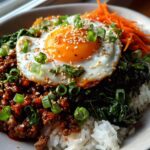
Gochujang rice bowls: A 30-Min Spicy Masterpiece
- Total Time: 30 minutes
- Yield: 2 servings 1x
- Diet: Low Lactose
Description
This spicy Korean-inspired dish features savory ground beef and crisp vegetables. Gochujang paste adds a distinct heat and depth of flavor. You can assemble these bowls quickly for a satisfying weeknight meal. The combination of textures creates a balanced eating experience.
Ingredients
Scale
- 2 cups cooked short-grain white rice
- 0.5 lb lean ground beef
- 1 cup fresh spinach leaves
- 1 medium carrot, julienned
- 2 large eggs
- 2 tbsp gochujang (Korean chili paste)
- 1 tbsp soy sauce
- 2 tsp sesame oil
- 1 tsp brown sugar
- 1 clove garlic, minced
- 1 tsp vegetable oil
- 1 tsp toasted sesame seeds
- 1 green onion, sliced
Instructions
- Mix gochujang, soy sauce, 1 teaspoon sesame oil, sugar, and minced garlic in a small bowl.
- Heat a skillet over medium-high heat.
- Cook ground beef until browned and fully cooked.
- Drain excess fat from the pan.
- Stir half of the sauce mixture into the beef.
- Remove beef from the pan and set aside.
- Add vegetable oil to the skillet.
- Sauté carrots and spinach for 2 minutes until slightly soft.
- Fry eggs in the pan until whites set but yolks remain runny.
- Scoop warm rice into two bowls.
- Arranged beef, carrots, and spinach over the rice.
- Place a fried egg on top of each bowl.
- Drizzle with remaining sauce and the rest of the sesame oil.
- Garnish with sesame seeds and green onions before serving.
Notes
- Substitute ground turkey or firm tofu for a different protein.
- Add sliced cucumbers or bean sprouts for extra crunch.
- Adjust the amount of gochujang to control the spice level.
- Use brown rice or cauliflower rice for a healthier base.
- Prep Time: 15 minutes
- Cook Time: 15 minutes
- Category: Main Course
- Method: Stovetop
- Cuisine: Korean
Nutrition
- Serving Size: 1 bowl
- Calories: 620 kcal
- Sugar: 9g
- Sodium: 1100mg
- Fat: 24g
- Saturated Fat: 7g
- Unsaturated Fat: 14g
- Trans Fat: 0g
- Carbohydrates: 72g
- Fiber: 5g
- Protein: 32g
- Cholesterol: 215mg
Keywords: Gochujang rice bowls, Korean beef bowl, spicy rice recipe, bibimbap style, quick dinner, ground beef recipe, asian rice bowl